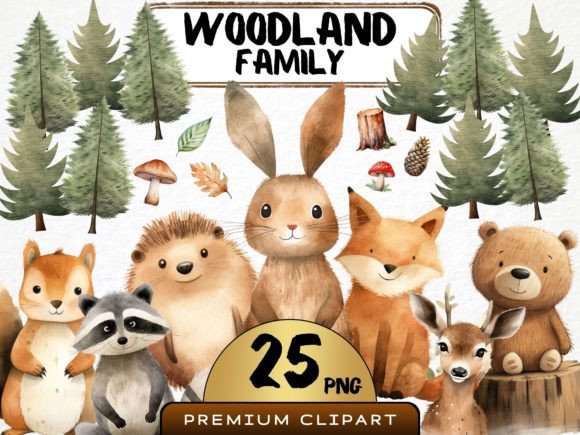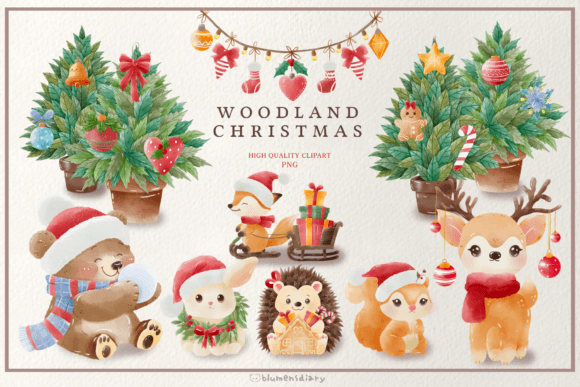
Woodland Christmas Animal Clipart for Festive Designs
The holiday season is often a balancing act between tradition and innovation. While we cherish the classic red and green, there is a growing demand for designs that feel more organic, earthy, and grounded in nature. This shift in aesthetic has brought the "Woodland" theme to the forefront of graphic design. It moves away from the shiny, commercial look of tinsel and plastic, favoring the matte textures of pinecones, the softness of evergreens, and the quiet beauty of forest creatures.
When we talk about Woodland Christmas Animal Clipart, we are discussing more than just a set of images. We are looking at a specific design language. These elements typically feature a palette of deep forest greens, rustic browns, cranberry reds, and snowy whites. The visual style often leans towards illustration—sometimes watercolor, sometimes vector—that captures the personality of animals like deer, foxes, bears, and rabbits. These aren't the cartoonish mascots of a department store; they are stylized, often gentle figures that evoke a sense of warmth and nostalgia. The appeal lies in their versatility. They can be playful for children’s projects or sophisticated for high-end branding, depending on the execution.
Integrating Nature into Modern Typography and Branding
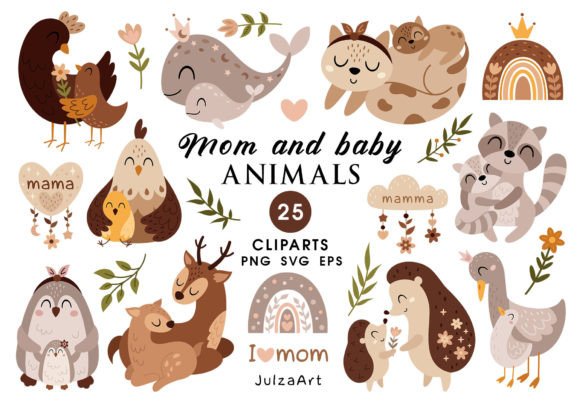
For designers and entrepreneurs, the challenge is not just finding beautiful assets, but knowing how to integrate them into a cohesive brand identity. A collection of 25 high-quality PNG elements, like the one described here, serves as a foundational toolkit for creating a distinct visual narrative. Because these are high-resolution (300 DPI) transparent PNGs, they function as premium design assets that can be layered over complex backgrounds without losing quality.
Consider the role of these illustrations in logo design. A bakery or a boutique shop looking to rebrand for the holidays can use a woodland deer or a sleeping bear as a central icon. However, the clipart needs to work in harmony with your typography. If you are using a serif font for your headers to convey tradition and reliability, the organic shapes of the woodland animals can soften the rigidity of the text. Conversely, pairing these detailed illustrations with a clean sans serif font creates a modern contrast that feels fresh and breathable.
The personality of the clipart dictates the tone of your typeface choices. If the animals are whimsical and hand-drawn, a script font or handwritten font might feel like a natural companion. However, be cautious with readability. If you are creating social media graphics where text overlays are crucial, a heavy script paired with a detailed animal illustration can create visual clutter. In this scenario, a bold display font provides the necessary hierarchy, allowing the clipart to serve as an accent rather than a distraction.
Practical Applications: From Packaging to Web Design
The utility of Woodland Christmas Animal Clipart spans across nearly every medium. In packaging design, these elements are invaluable. Imagine a artisanal coffee brand or a handmade soap company. Wrapping the product in kraft paper and stamping it with a high-quality woodland graphic instantly communicates an eco-friendly, handcrafted ethos. It elevates the product from a simple commodity to a thoughtful gift.
In the realm of editorial design and publishing, these assets help break up text-heavy layouts. A lifestyle blogger writing about "Cozy Winter Recipes" can use a small fox illustration to introduce a section break or a set of paw prints to lead the reader’s eye down the page. This is where visual hierarchy comes into play. The clipart isn't just decoration; it's a navigational tool that improves the user experience.
For those involved in web design, the transparency of PNG files is a significant advantage. You can place a sleeping fawn in the footer of your website or use a wreath of pine needles to frame a "Subscribe" button. These details contribute to a cohesive aesthetic that keeps users engaged. When the visuals on your site match the tone of your content, it builds trust. It signals to the audience that you care about the details, which is a key component of professionalism.
Selecting and Pairing Your Design Assets
Choosing the right creative font to accompany your woodland graphics requires a bit of strategy. You want to avoid competing elements. If your clipart features intricate line work, avoid a modern typography style that is overly geometric or thin, as it might get lost visually. Instead, look for typefaces with a bit of weight or texture.
Here is a practical guide to evaluating your project fit:
- Evaluate the Mood: Does the clipart look rustic or refined? Rustic pairs well with textured, rough-hewn fonts. Refined woodland art pairs well with elegant serifs or clean sans-serifs.
- Check the Scale: When using these elements in packaging design or print, ensure the details of the animal remain sharp. The 300 DPI quality ensures this, but you should still test how the illustration looks next to your chosen font size.
- Color Harmony: Extract colors from the clipart to use in your typography. If the bear has a warm brown nose, use that same hex code for your sub-headers. This creates a unified brand identity.
Commercial Use and Licensing Considerations
For small business owners and content creators, the ability to use these assets commercially is vital. Whether you are designing merchandise, creating digital planners, or building a marketing campaign, you need to ensure your design assets are cleared for use. The value of a collection like this lies in its flexibility. You are not just buying a picture of a deer; you are acquiring a tool that can be repurposed year after year.
When testing font pairings with your new clipart, create a mood board. Place the animal illustrations alongside your potential premium font choices. Look at how the curves of the letterforms interact with the organic curves of the animal fur or antlers. Good design is about relationships. The relationship between the text and the image should feel symbiotic.
Ultimately, Woodland Christmas Animal Clipart offers a way to tap into the timeless appeal of nature. It allows designers to create social media graphics that stop the scroll, packaging that feels premium, and digital spaces that feel welcoming. By pairing these high-quality illustrations with thoughtful typography—whether it's a bold display font for impact or a delicate script font for elegance—you can transform standard holiday projects into memorable creative experiences. It’s about finding that balance where the art enhances the message, and the message resonates with the audience.